
Understanding Legal Texts: A Beginner's Guide

Updated: Oct 11
(Understanding Legal Texts: A Beginner's Guide)
Navigating the world of legal texts can be daunting for many. Whether you're a student, a professional, or simply someone interested in understanding legal documents, the language and structure can often feel overwhelming. This guide aims to demystify legal texts, providing you with the tools you need to read and comprehend them effectively.

What Are Legal Texts? (Understanding Legal Texts: A Beginner's Guide)
Legal texts encompass a wide range of documents, including:
Contracts: Agreements between parties that outline obligations and rights.
Legislation: Laws enacted by governmental bodies.
Court Opinions: Judicial decisions that interpret laws and set precedents.
Regulations: Rules created by governmental agencies to enforce laws.
Understanding these documents is crucial for anyone involved in legal matters, whether personally or professionally.
The Importance of Legal Literacy
Legal literacy is the ability to understand and engage with legal texts. This skill is vital for several reasons:
Empowerment: Knowing how to read legal documents allows individuals to advocate for themselves.
Informed Decision-Making: Understanding contracts and agreements helps in making better choices.
Avoiding Pitfalls: A grasp of legal language can prevent misunderstandings and disputes.
Key Components of Legal Texts (Understanding Legal Texts: A Beginner's Guide)
To effectively read and understand legal texts, it’s essential to familiarize yourself with their key components:
Terminology: Legal jargon can be complex. Familiarize yourself with common terms such as "plaintiff," "defendant," "jurisdiction," and "tort."
Structure: Legal documents often follow a specific format, including headings, sections, and clauses. Recognizing this structure can aid comprehension.
Context: Understanding the context in which a document was created is crucial. This includes knowing the relevant laws and the purpose of the document.
Tips for Reading Legal Texts
Reading legal texts requires a different approach than reading other types of documents. Here are some practical tips to enhance your understanding:
1. Take Your Time
Legal texts are dense and packed with information. Don’t rush through them. Allow yourself time to absorb the content.
2. Highlight Key Sections
As you read, highlight or underline important sections. This will help you focus on the main points and make it easier to reference later.
3. Use a Legal Dictionary
Keep a legal dictionary handy. When you encounter unfamiliar terms, look them up to gain clarity.
4. Summarize Sections
After reading a section, summarize it in your own words. This practice reinforces your understanding and helps retain information.
5. Seek Help When Needed
If you find a document particularly challenging, don’t hesitate to seek assistance. Legal professionals can provide valuable insights.
Common Legal Texts and Their Features
Contracts
Contracts are foundational legal texts that outline the terms of an agreement. Key features include:
Offer and Acceptance: Details about what each party agrees to.
Consideration: What each party will gain from the agreement.
Terms and Conditions: Specific obligations and rights of each party.
Legislation
Legislation is created by governmental bodies and can vary widely. Important elements include:
Preamble: An introduction that outlines the purpose of the law.
Sections: Divided into numbered sections for clarity.
Amendments: Changes made to the original text over time.
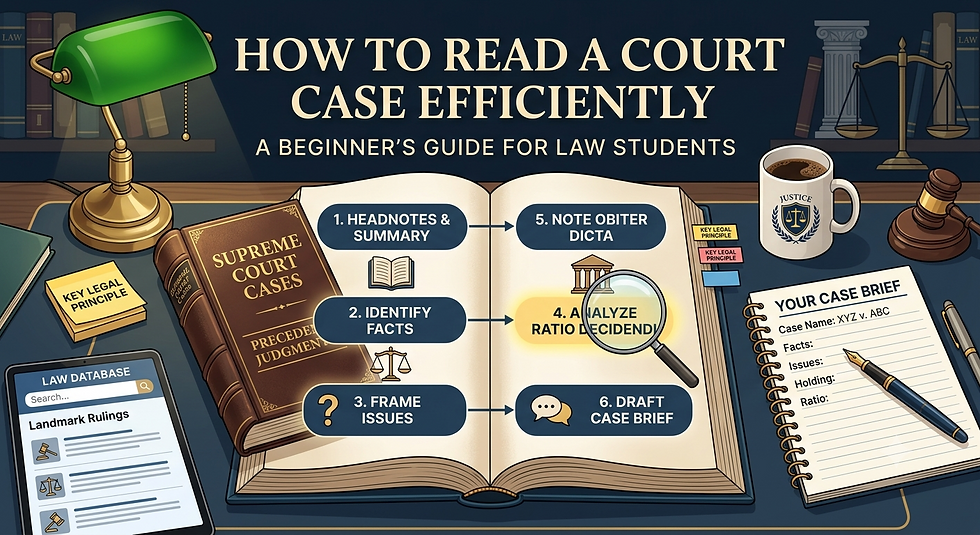
Court Opinions
Court opinions provide insight into how laws are interpreted. They typically include:
Case Name: The title of the case being decided.
Facts: A summary of the relevant facts of the case.
Holding: The court's decision and reasoning.
Regulations
Regulations are rules created by government agencies. They often include:
Authority: The legal basis for the regulation.
Scope: The areas or activities the regulation covers.
Compliance Requirements: What is required to adhere to the regulation.
Understanding Legal Language
Legal language can be intricate and filled with nuances. Here are some common features of legal language to be aware of:
Formality
Legal texts often use formal language. This formality can make the text feel distant but is necessary for precision.
Passive Voice
Legal writing frequently employs passive voice, which can obscure who is responsible for actions. For example, "The contract was signed" does not specify who signed it.
Complex Sentences
Legal texts often contain long, complex sentences. Break these down into smaller parts to enhance understanding.
Practical Examples
To illustrate how to apply these tips, let’s look at a sample contract clause:
Sample Clause: "The Seller agrees to deliver the goods to the Buyer on or before the 15th of March, 2023, provided that the Buyer has made the full payment prior to delivery."
Breakdown:
Subject: The Seller
Action: Agrees to deliver
Object: Goods
Condition: Buyer must pay in full before delivery
Deadline: On or before March 15, 2023
By breaking down the clause, you can see the key components clearly, making it easier to understand the obligations of each party.
Resources for Further Learning
If you want to deepen your understanding of legal texts, consider the following resources:
Legal Dictionaries: Websites like Nolo or Black's Law Dictionary provide definitions and explanations of legal terms.
Online Courses: Platforms like Coursera or edX offer courses on legal writing and understanding legal documents.
Books: Look for books on legal literacy or guides to understanding contracts and legislation.
Conclusion
Understanding legal texts is an essential skill that can empower you in various aspects of life. By familiarizing yourself with the structure, terminology, and key components of these documents, you can navigate the legal landscape with confidence. Remember to take your time, seek help when needed, and utilize available resources to enhance your legal literacy.
As you embark on this journey, keep in mind that practice makes perfect. The more you engage with legal texts, the more comfortable you will become. Start with simple documents and gradually work your way up to more complex texts. With persistence and the right strategies, you will become proficient in understanding legal language and concepts.
This article is highly relevant and provides valuable insights into the legal aspects of the subject matter.